Our Heritage
The Story Woven
Into Every Thread
Over 500 years of Yoruba weaving tradition, preserved and elevated for the modern world.
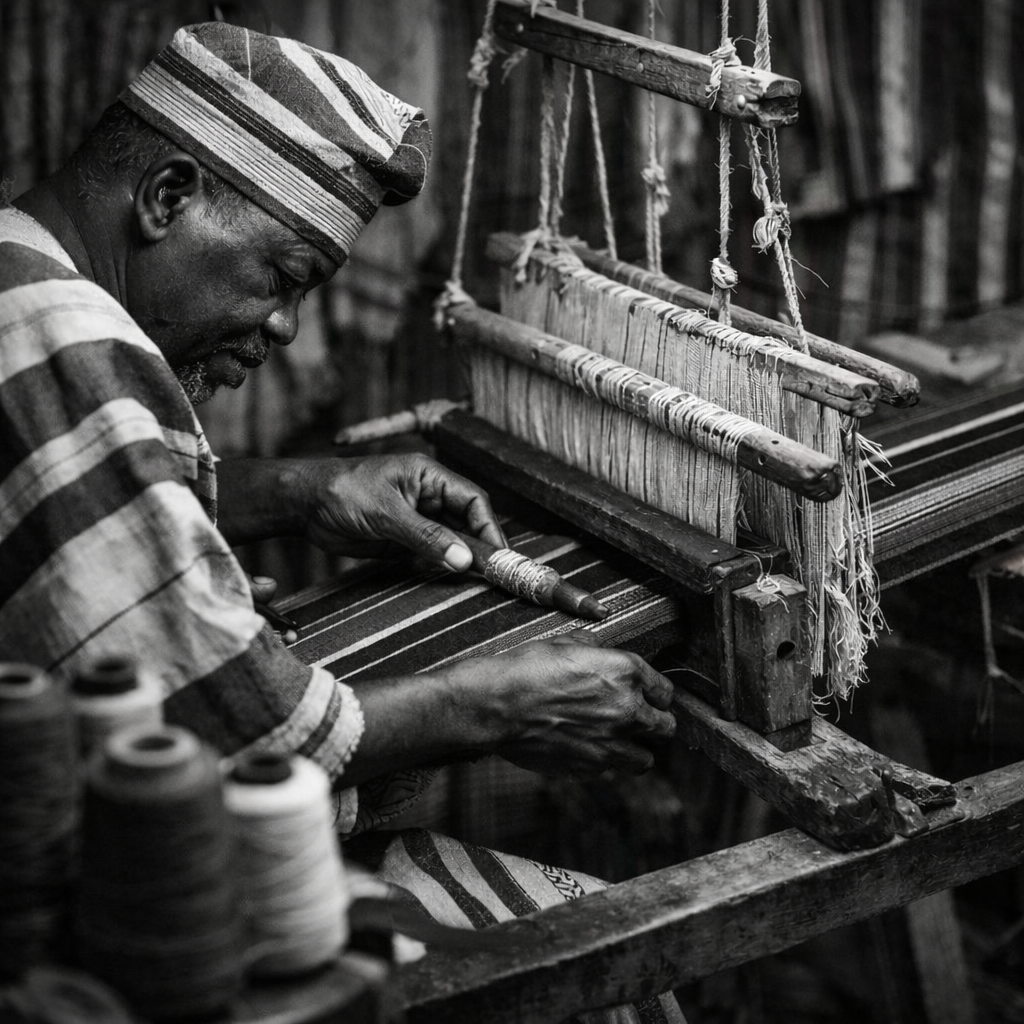
The Art of Narrow-Loom Weaving
Aso Okè is woven on traditional narrow strip looms, producing strips just 4-6 inches wide and 60-70 inches long. These strips are later sewn together edge-to-edge to create full garments. This ancient technique has been passed down through generations of Yoruba weavers, each adding their own interpretation while honoring the sacred traditions of the craft.
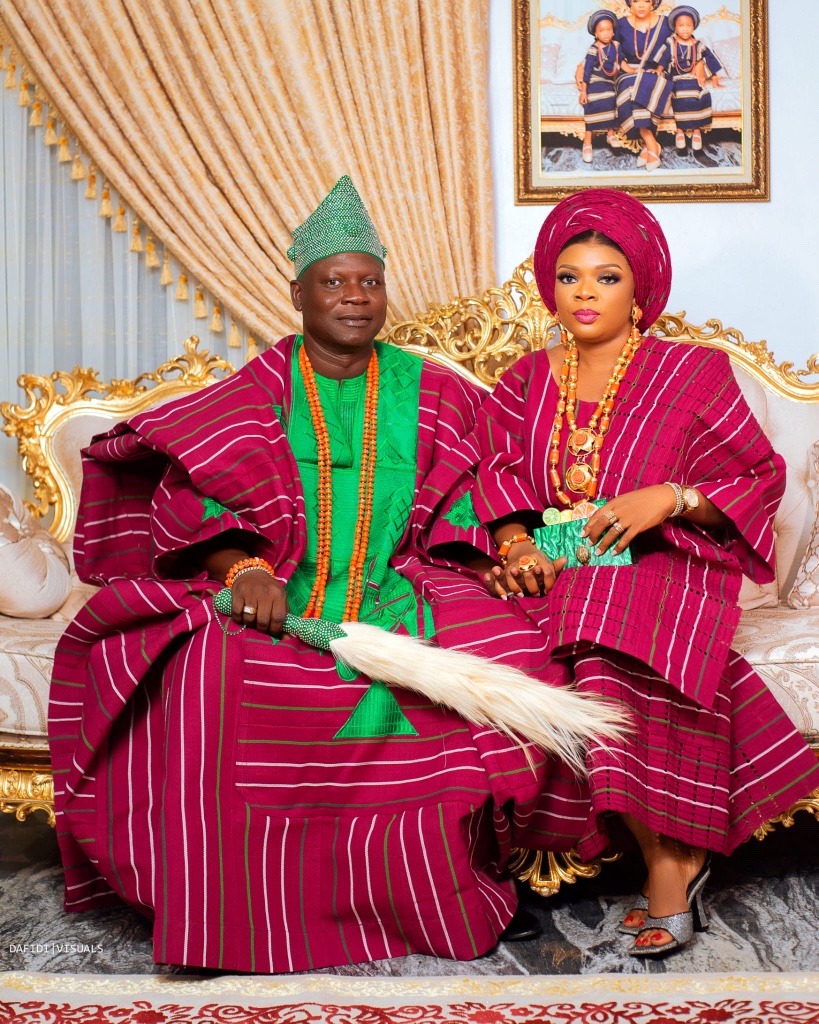
A Cloth of Kings & Queens
For centuries, Aso Okè was reserved for royalty, chiefs, and distinguished community leaders. The cloth was — and remains — a symbol of wealth, dignity, and social standing. When worn at ceremonies, it declares the wearer's connection to Yoruba heritage and their respect for ancestral traditions as worn by HRM Oba Prof. Adekunle O. Okunoye, the Eburu of Iba and his beautiful Olori.
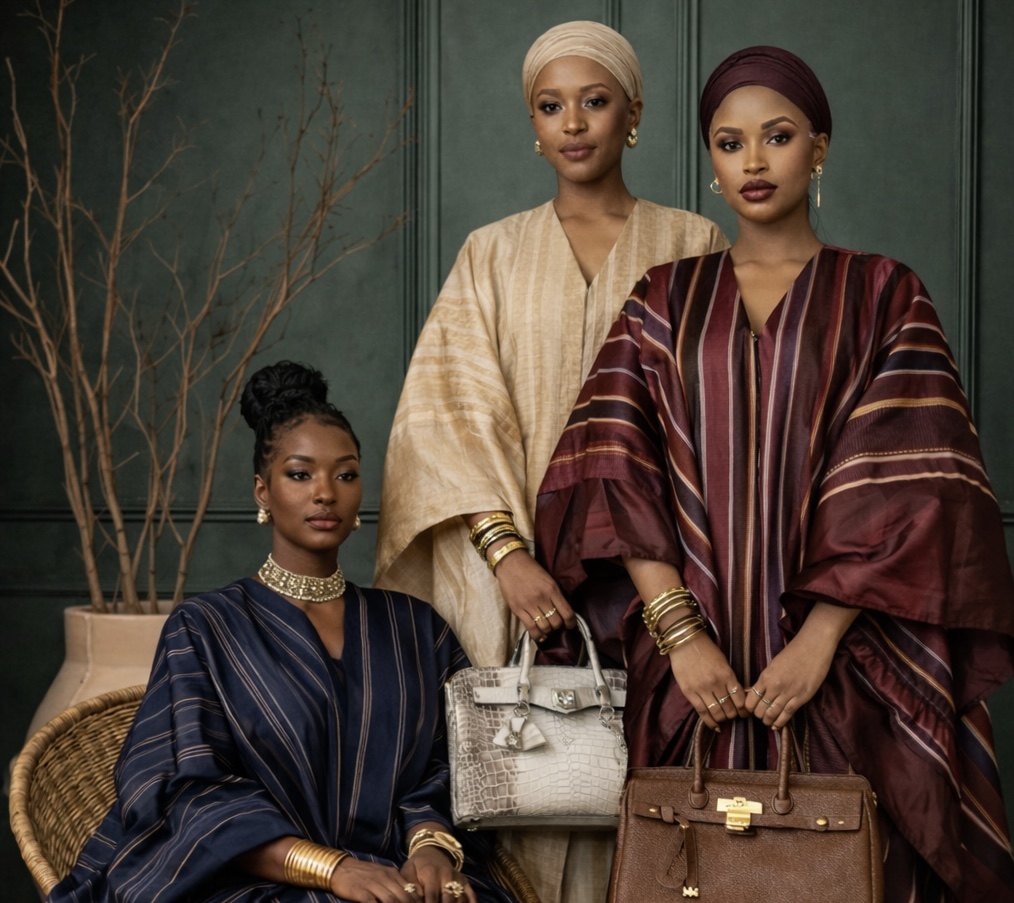
The Three Sacred Variations
Alaari, the deep wine-red cloth of royalty. Sanyan, the naturally beige-brown fabric woven from wild Anaphe silk. Etu, the dark indigo cloth with its characteristic thin stripe patterns. Each variation carries distinct spiritual significance and social meaning within Yoruba culture, and each requires unique weaving expertise.
Visual Story
The Aso Okè Snippet by EthnikraftAfrica
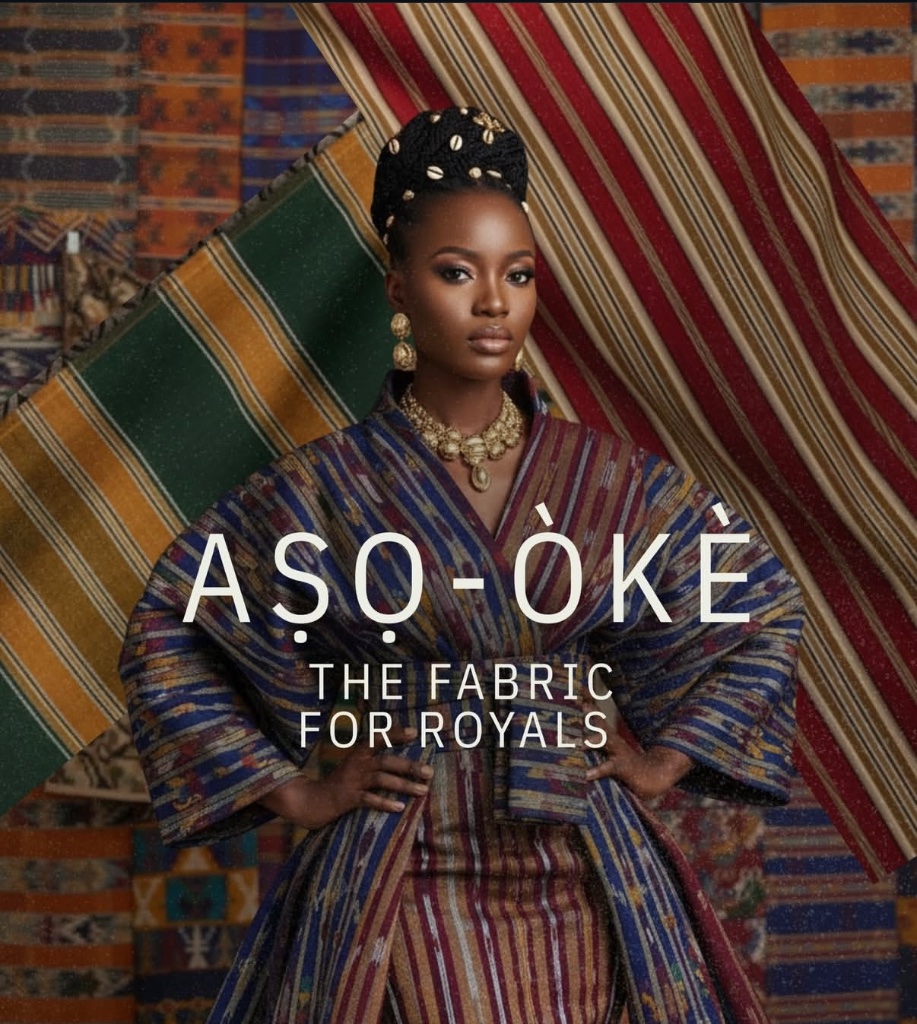
"Aṣọ-Òkè is more than fabric, it is heritage woven into motion."
Long before fashion weeks and global runways, it began with the Yoruba people — hand-woven on narrow looms, thread by thread, story by story. Once reserved for royalty, celebrations, and life's most meaningful moments, every colour carried intention and every pattern spoke a language of identity, status, and pride — nothing was ever random.
Today, Aṣọ-Òkè has been reworked, remixed, and reintroduced to a new generation, evolving without losing its soul. It is worn boldly, styled creatively, and respected deeply. A living legacy that bridges past and present, tradition and modern expression.
Symbolism
Meaning in Every Thread
Colors and patterns in Aso Okè are never random — each carries deep cultural significance
Alaari
Power, royalty, and prosperity
Sanyan
Spirituality, wealth, and prestige
Etu
Dignity, humility, and deep respect
Gold Thread
Divine blessing and fortune
White Stripe
Purity, peace, and new beginnings
Indigo Dye
Protection, wisdom, and depth
The Process
From Thread to Treasure
A journey through the four main stages of creating authentic Aso Oke
Thread Spinning
Raw cotton or silk fibers are hand-spun into fine threads
Dyeing
Natural indigo, camwood, and modern dyes create vivid colors
Loom Setup
The narrow loom is carefully warped with the pattern design
Weaving
Each strip is handwoven, taking 2-4 hours per strip